You've been tasked with the mandate: lead a digital transformation that solves a customer problem and creates something people love to use, rave about, and adopt at scale. The pressure is on to deliver a product or app that truly drives results for your company and bottom line.
You've identified the problem. You have promising ideas. But to bring these ideas into reality, you know it's going to take serious technical firepower.
If you've never hired a software development agency before, not all agencies are created equal. It's crucial to hire a great development team from the get-go. You need to find your prince without having to kiss frogs first.
Some agencies are fabulous to work with and evolve into strategic, long-term partners that add value to your company. Others have excellent coding skills, but they don't always come with strong communication or collaboration.
At Mavric, we've seen firsthand how leaders navigating the complexities of product development can feel overwhelmed by the risk. One misstep could cost valuable time, money, and opportunities.
While technical skills are clutch, the most well-written code can flop if the client-developer relationship breaks down. Too often, things like miscommunication and unclear expectations cause problems, leading to missed deadlines, blown budgets, or even a dissolution of the partnership.
1. Transparency with Process
Ever had a vendor who left you in the dark?
It probably went something like this: After your initial discovery call, the honeymoon period ended quickly. You found yourself constantly having to pester them for updates, virtually hovering over their shoulder. When your CEO asked about the progress, you had to make up some BS, use some jargon, and cross your fingers you don't have to answer more in-depth questions about the project.
Knowing you're paying for something blindly is nerve-wracking. Software development can feel like peering into a black box. Your developers shouldn't disappear for weeks while you hope for the best.
What you need is a development agency that shares regular updates with simple explanations so you stay in the know. Transparency helps set the right expectations and allows you to proactively chime in along the way.
Why Transparency Matters
You're more likely to get excited about the product and advocate for it internally when you understand why decisions are made, what's being worked on, and why some tradeoffs need to happen. Clarity in each step of the process helps avoid the dreaded last-minute changes that derail timelines and budgets.
Transparency also builds credibility and shows that the development agency welcomes accountability.
At Mavric, we fuel a proven, transparent, step-by-step development process led by strategic CTO-level guidance. Our team operates as an extension of our clients', integrating seamlessly to ensure clarity, collaboration, and control over every product's success.
2. Partners Who Serve Your Goals, Not Theirs
Most developers are very passionate about technology, which is a good thing. Innovation is great. New technology is exciting and solves new problems every day. But when a developer's enthusiasm about new tech overshadows their client's needs, they have lost the thread and forgotten why they're there to serve you in the first place.
The best developers have healthy boundaries and zoom in fully on meeting your needs, no matter what shiny new thing came across their feed that day. A developer's role is to solve problems, not showcase flair. A really good dev agency will also advocate for what's best to achieve your goals and not be "yes" people.
You may not know the best technical solution, but you do understand your company's business goals, customers, and constraints. As long as they're on your clock, your developer should become borderline obsessed with understanding all of this too.
How to Know if You Are Partnered with Builders or Box-Checkers
- They ask more than they answer. Your first several calls should feel very one-sided. A good discovery call involves them asking you to talk about your struggles, goals, and what you've heard from customers.
- They suggest reasonable trade-offs. If a developer proposes a feature switch, they should easily articulate why. A good trade-off involves cost savings, performance improvement, or scalability.
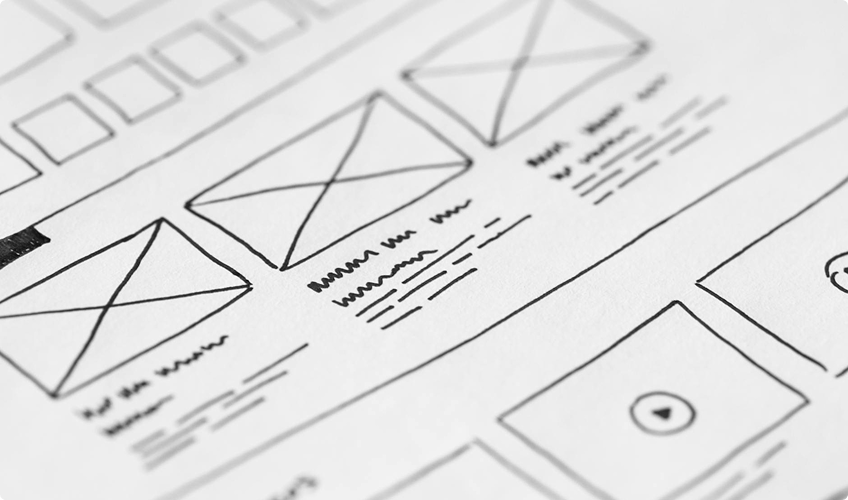
- They ask for input often. The best development partners share prototypes, wireframes, and early demos to confirm they're on the right track.
3. Understanding the Big Picture of Your Company
Too often, development agencies get a project brief and start coding immediately without really understanding the company overall. But a narrow view leads to narrow solutions. To truly add value, the best dev teams zoom out and learn about your business model, culture, audience, and goals. The more the development team understands your company, the better their product solutions will be.
When developers have full context, they can provide more accurate cost and time estimates. This helps ensure that the budget is based on realistic expectations rather than assumptions.
Why Context Is Everything
Let's say you've hired a development agency to build a customer portal. If they don't realize you're also rolling out a new CRM system or undergoing a rebranding, their design decisions might conflict with larger initiatives. Another example would be skipping a feature that, to them, seems "nice to have," but is key to their company's sales process.
Pursuing a more holistic view of the company will help the developer understand:
- What's urgent vs. what can wait
- When to build from scratch vs. use off-the-shelf
- How their work supports sales, marketing, or support
- Why that "one weird request" is a huge deal internally
When a developer is immersed in your world, they can develop more innovative, longer-lasting solutions.
Becoming a Strategic Partner
When a dev agency "gets" your business, their recommendations carry more weight. Seeing the big picture prompts them to anticipate future needs and transition from "hired help" to a strategic partner.
Final Thoughts: Building Relationships That Last
At the end of the day, you want a partner, not just a tech-building "yes person." You want to know the development agency you're hiring understands your goals, respects your constraints, and will communicate openly all along the way. Strong client relationships are not built on code alone but on trust, empathy, and alignment.
To recap, the best development agencies:
- Are transparent: You know what's happening with the project because they're keeping you in the loop and asking for your input on the regular.
- Listen actively: They build what you need because they've asked the right questions and are focused on your priorities, not their creative pursuits.
- Understand the context: They've done their homework and see how their project fits into your company.
The best way to gauge these qualities is to check with references. Ask the agency you're considering to provide you with several case studies and successful clients you can speak with. Ask for honest feedback on the partnership.