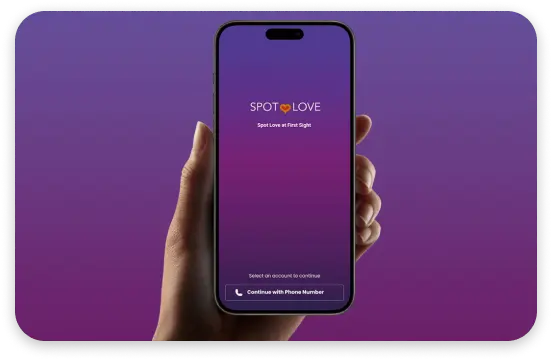
MVPs (Minimum Viable Products) are a cop-out. MLPs (Most Lovable Products) build on the foundation of MVPs but raise the standard from viability to loyalty.
The Problem with Minimum Viable Products
Minimum Viable Products represent a problematic stopping point in product development. While not inherently flawed, settling at "viable" fails to meet modern standards.
MVPs resemble fast food—economical and quick, yet unsatisfying and forgettable. They fill immediate needs without fostering genuine user loyalty or enthusiasm. Current tools like Replit and Lovable accelerate MVP creation, which enables faster learning but often produces brittle, unreliable, and disposable products.
Users must rebuild everything to achieve scale, support real customers, or establish credibility. Speed matters less than sustainability.
Enter: MLPs (Most Lovable Products)
Users reject mediocrity. They don't develop loyalty around "viable" or tolerate products that "work most of the time." In saturated markets with abundant alternatives, products must transcend basic functionality.
Mavric champions Most Lovable Products—solutions users genuinely cherish and actively recommend. Transforming feature lists into beloved products requires deliberate strategy.
7 Non-Negotiable Elements Every MLP Must Have
1. Ruthless Focus
Lovable products demand absolute clarity. They resist the temptation to become everything simultaneously, avoiding the trap of feature bloat. Instead, they isolate the core problem and solve it masterfully.
Visionary founders frequently conflate quantity with value—assuming more features equal broader appeal. Reality contradicts this assumption; excess features generate confusion rather than excitement.
2. Seamless Flow to Value
Digital products possess seconds to captivate audiences. Users must immediately comprehend the product's purpose, relevance, and personal benefit. Ambiguity drives abandonment.
The objective remains simple: minimize friction between discovery and understanding value. Every superfluous click, unclear label, or redundant step imposes a cognitive burden that frustrates users.
3. Trust and Reliability
Lovable products function predictably and consistently, performing flawlessly without hesitation or vulnerability.
Trust materializes instantly and deteriorates rapidly. Users entrust products with their time, data, and desired outcomes. A single breach—whether bug, lost file, or missing feature—erodes confidence.
When products perform flawlessly, users continue undisturbed. However, latency or confusion fractures invisible trust.
4. Feedback Loop
Products represent testable hypotheses, likely incomplete or naive despite extensive research. Real-world usage supersedes theoretical analysis.
Feedback provides directional data:
- Drop-offs indicate friction
- Rage-clicks reveal confusion
- Workarounds expose missed opportunities
MLP culture embraces humility, prioritizing truth over predetermined plans. Fast iteration and ego-free decision-making, guided by actual usage patterns, distinguish beloved products from tolerated ones.
5. Solid Support
Most organizations treat support reactively, only activating during crises. This perspective inverts reality. Support should integrate into product DNA as a core experience—a connection mechanism fostering rapport and loyalty.
Demonstrating genuine care involves embedding feedback mechanisms strategically and ensuring assistance feels genuinely supportive rather than like obstacle courses.
6. Effortless Integration
Products don't represent the protagonist in user narratives. Users possess established workflows, trusted tools, and ingrained patterns. Forcing disruption creates friction rather than value.
Excellent products integrate quietly, enhancing existing functionality without requiring behavioral transformation. MLPs synchronize smoothly with apps, workflows, and ecosystems users already depend upon.
7. Clear and Transparent Communication
Nothing frustrates users like being ignored by applications. Non-responsive buttons, vanishing content, and unresponsive pages without explanation create genuine irritation.
MLPs maintain constant, honest communication. They explain what happens, why it occurs, and what follows. Helpful error messages, proactive notifications, transparent policies, and conversational language construct trust.
Lovable products communicate with users, not at them. Clear, caring communication—even amid failure—builds trust, converting functional products into genuinely beloved ones.
Final Word: Why MLPs Win
Products earning genuine user obsession, advocacy, and retention demand MLP construction.
The framework:
1. Ruthless Focus: Sharp scope, eliminate excess. 2. Seamless Flow to Value: Make the transformative moment inevitable. 3. Trust and Reliability: Become dependable products users count upon. 4. Feedback Loop: Learn quickly, iterate relentlessly. 5. Solid Support: Demonstrate active listening. 6. Effortless Integration: Complement existing workflows. 7. Clear Communication: Communicate like humans, not automated systems.
This approach defines Mavric's operating philosophy. We partner with ambitious founders and product leaders abandoning mediocrity to build solutions earning devotion and endurance.
Tired of "good enough"? Build something unforgettable. Build MLPs.